
"chemical changes"
2000 article(s) found

Changes in coffee roasting: what are the chemical changes in the roasting process of coffee beans
Professional coffee knowledge exchange more coffee bean information please follow the coffee workshop (Wechat official account cafe_style) do you know what happens when roasting coffee beans? What are the chemical changes that transform raw coffee beans into coffee ripe beans with charming flavor and rich aroma? The main chemical reaction heating coffee beans will trigger hundreds of different chemical reactions, and roasting will drop.

[coffee roasting] what are the chemical changes in coffee beans during roasting?
Professional coffee knowledge exchange more coffee bean information please follow the coffee workshop (Wechat official account cafe_style) do you know what happens when roasting coffee beans? What are the chemical changes that transform raw coffee beans into coffee ripe beans with charming flavor and rich aroma? In the previous article, we saw that the structure of coffee beans plays an important role in the roasting process.

Some complex chemical changes in the roasting of coffee
The color, aroma and taste of coffee are caused by some complex chemical changes that take place during the baking process. Generally speaking, we use strong alcohol to show the round, mellow and strong taste of coffee. So raw coffee beans must go through a proper chemical process to achieve the most balanced state of its essential ingredients in order to be regarded as the best baked beans. The aroma of coffee will follow the heat.

Chemical changes in the reaction of coffee roasting which reactions are chemical changes in coffee bean roasting
Professional coffee knowledge exchange more coffee bean information please follow the coffee workshop (Wechat official account cafe_style) professional coffee roasting | coffee roasting is too complicated? A picture teaches you that there are two stages of change in the roasting process of raw beans after baking. 1 physical = volume, density, volume 2 chemical = smell, taste, taste intense coffee beans are roasted at high temperature.
The sour, mellow and bitter taste of coffee is caused by complex chemical changes in roasting.
The color, aroma and taste of coffee are caused by some complex chemical changes that take place during the baking process. So raw coffee beans must go through a proper chemical process to achieve the most balanced state of its essential ingredients in order to be regarded as the best baked beans. The aroma of coffee will change with the heat, so the baking time should be shortened as much as possible, and the heat should be controlled within the range of heat.

The chemical structure of coffee and its changes show the characteristics and processing of coffee.
Coffee has long been recognized by the public, and chemistry is also a compulsory course in education in our country. However, we must not know much about the chemical structure of coffee and its changes. Readers may not be very interested in the content that is too theoretical. Now we will use more artistic pictures and language to show you the characteristics and processing of coffee. Coffee can spread all over the world in a hundred years.
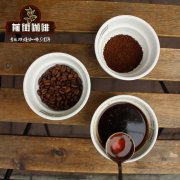
What physical changes occur when coffee is roasted? What are the changes in the sodium metanide reaction and caramelization?
Roasting converts coffee beans from green to ripe, rich in aroma and flavor, but do you know what happens during roasting? When we roast beans, it is mainly divided into physical and chemical changes. This article is the first of two series. Let's first take a look at what happens to coffee beans during roasting. The importance of physical structure The layered structure of coffee beans for roasting out what we want

Water content-Chemical change process of Coffee during roasting
Water content-chemical changes during coffee roasting high-altitude and ripe coffee beans usually last longer and have a longer lifespan. Because of the high density of raw coffee beans, if the dry environment is good, the taste of the coffee itself will not change much. Out-of-season coffee beans are not good, and old coffee is sometimes added to some coffee varieties. To put it simply, non-

Water content and Chemical changes during Coffee roasting
The water content and chemical changes in the baking process of caffeine, whether new or old beans, have its unique baking curve, so it is necessary to accurately judge the bean and the time of emergence, and master the best flavor. In the process of recording the baking curve, carefully blindly test each batch of baked beans, record them, and accurately grasp the key elements, you can easily get the taste of coffee beans! Remember

How does the treatment affect the flavor and taste of coffee? the treatment will affect the chemical composition of coffee.
Why do sun beans taste different from water-washed beans? What makes the sweetness of honey handling coffee more obvious? The method of raw bean treatment has a great influence on the flavor, aroma and alcohol thickness of coffee, and it is also an important difference for many people to choose coffee beans. The chemical changes that occur during the processing of coffee beans and how these changes affect the flavor in the cup. We can learn about it together.
What chemical reaction changes will take place during the roasting process of coffee beans? What happened to the roasting of coffee beans
Professional coffee knowledge exchange more coffee bean information please follow the coffee workshop (Wechat official account cafe_style) coffee beans in the roasting process what chemical reactions will take place? What happened to the roasting of coffee beans? Sucrose: melting point 187.8 ℃-sugar? The conjugate = caramelization-water CO2 escapes to produce an explosive First Crack phenomenon. I measured the bean temperature 190 in the drum bean of the baking machine.

Boutique coffee beans | what is the reaction when coffee is roasted? why the coffee is rich in flavor
Do you know what happens when you bake coffee? What changes have taken place to turn mung beans into our favorite delicious, fragrant coffee beans? In the first part of this two-part series, we studied how the anatomical structure of coffee beans played an important role and outlined the physical changes that took place during roasting. Now, let's look at some chemical changes.

What chemical reactions take place in the process of baking beans?
Coffee itself is a kind of plant, how to show its sour, sweet, bitter, salty and other ever-changing flavor? The answer is that the raw coffee beans need to be roasted, that is, the raw coffee beans are heated in the container (roaster, hand net, etc.), and finally reach the appropriate degree of baking. Coffee beans have undergone earth-shaking changes in the process of roasting, but not just stir-fry them.

The Chemical reaction of Fine Coffee Technology in Baking
Coffee has a rich, wide range of flavors. Coffee produced in different regions, different elevations, different climates and different producing areas has its own unique characteristics. Raw beans are fragrant and have no usual coffee taste at all; the taste of coffee comes from proper roasting. Show fruity (light roasting) or caramel sweetness (deep roasting). The lighter the baking, the more sour it tastes. Baking.

Do you have to understand the chemical reaction in coffee roasting? the change of coffee beans in the boiler
Communication among professional baristas follow the coffee workshop (official Wechat account cafe_style) aside, the physical changes of coffee beans during heating are already quite complex: the same bean is fried in the same way (that is, the same roasting curve), but the taste is not necessarily the same. Some enthusiasts like to stick graphs on their bags when communicating, although this is helpful to test beans.
Basic knowledge of Coffee beans Chemical reaction of Coffee in Baking
Coffee has a rich, wide range of flavors. Coffee produced in different regions, different elevations, different climates and different producing areas has its own unique characteristics. Raw beans are fragrant and have no usual coffee taste at all; the taste of coffee comes from proper roasting. Show fruity (light roasting) or caramel sweetness (deep roasting). The lighter the baking, the more sour it tastes. Baking.
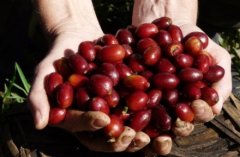
Common sense of roasting of coffee beans Chemical reaction of coffee in roasting
Coffee has a rich, wide range of flavors. Coffee produced in different regions, different elevations, different climates and different producing areas has its own unique characteristics. Raw beans are fragrant and have no usual coffee taste at all; the taste of coffee comes from proper roasting. Show fruity (light roasting) or caramel sweetness (deep roasting). The lighter the baking, the more sour it tastes. Baking.

Coffee beans wither, too?
Deterioration refers to the change in which the properties of polymers are reduced and cannot be recovered. Due to the action of heat, light, ultraviolet light, oxygen, ozone and various chemicals, polymer materials will change their physical or chemical properties, such as discoloration, cracking, intensity reduction and so on. These external conditions can cause the breakage or cross-linking of the polymer main chain, resulting in structural changes and reduced properties. Baked coffee
"Coffee roaster companion" the chemical substances of raw beans the structure and changes of coffee beans
Chapter 2: chemical substances of raw beans author: Scott Rao translator: Huaxia coffee raw beans are strong and green seeds, 50% of which are different forms of carbohydrates, and the other 50% are composed of water, proteins, lipids, acids, and various biological bases. Coffee roasters can bake good coffee without knowing the many chemicals in raw beans, but
Chemical reaction of Coffee in roasting
Coffee has a rich, wide range of flavors. Coffee produced in different regions, different elevations, different climates and different producing areas has its own unique characteristics. Raw beans are fragrant and have no usual coffee taste at all; the taste of coffee comes from proper roasting. Show fruity (light roasting) or caramel sweetness (deep roasting). The lighter the baking, the more sour it tastes. Baking.